Reading time: min
Across Europe, a quiet but decisive shift is underway. After years of rapid investment in cloud and application modernisation, IT leaders are turning to an overlooked frontier that now demands their attention: the digital workplace. Emerging at the centre of this shift is Device as a Service, not as a procurement alternative but as a model reshaping how enterprises enable their people.
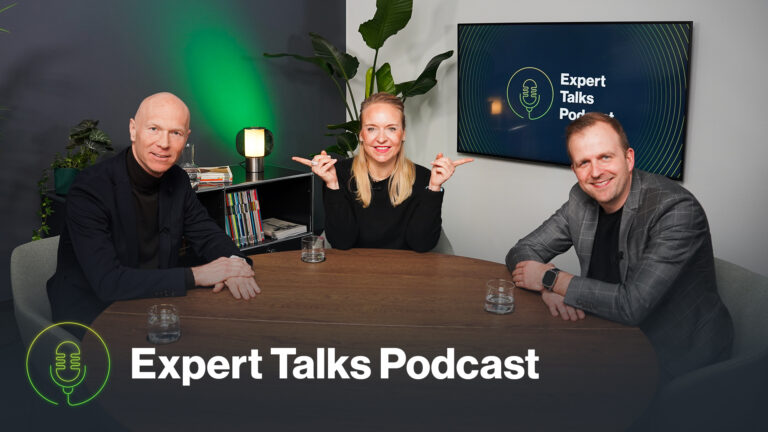
As Shayne Harris, VP International Sales at devicenow, puts it, “The complexity of the modern workplace dictates that IT leaders are having to rethink how technology is delivered and managed.” It is a view shared by leaders across the continent who face rising complexity, tightening budgets, and the relentless expectation that technology simply works.
The momentum is unmistakable. The European DaaS market is expanding at a pace that signals more than commercial enthusiasm; it signals a structural shift. Adoption is no longer confined to agile scale-ups; large enterprises, heavily regulated industries, and public institutions are joining the movement.
For many, the appeal lies in what traditional models can no longer provide: flexibility at scale, predictable financial planning, and a consistent experience for employees working across borders. Policy frameworks such as Europe’s Digital Decade 2030 agenda are amplifying this shift, aligning technology delivery with digital competitiveness and sustainability priorities.
The digital workplace has become the last major area where operational complexity still outweighs strategic value. Devices have multiplied, support demands have risen, and expectations for seamless employee experience have intensified. Meanwhile, IT teams are asked to deliver all of this with limited budgets and static headcount.
Shayne sees this pressure firsthand. “When I speak with CIOs,” he notes, “they’re looking for a model that removes friction and supports employee experience and productivity so they can focus on the work that truly moves the organisation forward.”
This is where DaaS stands out. Not as a procurement shift, but as a strategic response.
The strength of the DaaS model is not found in the devices themselves but in the shift of responsibility that surrounds them. The model turns operational tasks into predictable, managed outcomes, allowing organisations to reimagine the role of workplace technology.
The organisations that thrive over the next decade will be those that treat workplace technology not as an operational burden but as a strategic driver of value, experience, and sustainability.
DaaS is becoming the model that enables that shift. And as Shayne reminds us, “the leaders who move now won’t just adapt to the future; they will shape the modern workplace.”